
Sneezing fits, a constantly runny nose, nasal congestion, and itchy eyes can feel like minor annoyances at first. But when these symptoms linger or keep coming back, they can begin to interfere with sleep, productivity, and overall quality of life. Allergic rhinitis is a common condition, especially in urban environments where dust, pollution, and indoor allergens are prevalent.
While many people rely on over-the-counter medications to manage symptoms, there comes a point when professional care becomes necessary. Understanding when to seek specialized support for allergic rhinitis treatment Singapore can make a significant difference in long-term comfort and health outcomes.
Symptoms That Persist Despite Basic Treatment
Occasional sneezing during haze season or mild congestion from dust exposure may not require advanced care. However, if symptoms continue for weeks or recur frequently throughout the year, it may indicate a more persistent form of allergic rhinitis.
Common signs that warrant specialist evaluation include:
-
Daily nasal congestion that disrupts breathing
-
Chronic sneezing episodes
-
Ongoing postnasal drip
-
Itchy throat, nose, or eyes
-
Reduced sense of smell
If antihistamines or nasal sprays provide only temporary relief, it may signal that the underlying trigger has not been properly identified. A specialist can conduct allergy testing to pinpoint specific allergens such as dust mites, mold, pollen, or pet dander.
In these cases, seeking allergic rhinitis treatment from a trained professional allows for a more targeted and effective approach rather than repeated self-medication.
Sleep Disruption And Reduced Quality Of Life
Allergic rhinitis is often underestimated, but it can significantly affect daily functioning. Persistent nasal blockage can lead to mouth breathing during sleep, snoring, and even daytime fatigue. Children may struggle with concentration in school, while adults may experience decreased work performance.
If symptoms begin interfering with sleep quality or cause frequent headaches and facial pressure, it may be time to consult a specialist. Chronic inflammation in the nasal passages can sometimes contribute to sinus infections or worsen asthma symptoms.
A medical professional can assess whether complications are developing and recommend treatments such as prescription-strength nasal corticosteroids, combination therapies, or immunotherapy. In more complex cases, imaging studies may be required to rule out structural concerns such as nasal polyps or a deviated septum.
Specialist care ensures that the condition is managed comprehensively rather than treated as a minor inconvenience.
Frequent Sinus Infections Or Complications
Repeated sinus infections are a strong indicator that allergic rhinitis may not be adequately controlled. Inflammation caused by ongoing allergies can block sinus drainage pathways, creating an environment where bacteria can grow.
Signs of a sinus infection may include:
-
Thick yellow or green nasal discharge
-
Facial pain or pressure
-
Fever
-
Persistent cough
If these episodes occur multiple times per year, consulting a specialist is advisable. They can evaluate whether chronic sinusitis is present and determine the most appropriate course of care.
In Singapore’s humid climate, indoor allergens like dust mites are especially common triggers. Identifying and addressing these environmental factors is often key to long-term symptom relief. For individuals who experience recurrent complications, allergic rhinitis treatment singapore guided by a specialist may include allergy testing, immunotherapy injections, or sublingual tablets designed to gradually reduce sensitivity to allergens.
When Children Or High-Risk Individuals Are Affected
Children, elderly individuals, and people with asthma require closer monitoring. Allergic rhinitis can worsen asthma symptoms, leading to wheezing or shortness of breath. In children, untreated nasal obstruction may even affect facial development or sleep patterns over time.
If a child frequently breathes through the mouth, snores heavily, or complains of itchy eyes and congestion throughout the year, professional evaluation is recommended. Early intervention can prevent complications and improve overall well-being.
Similarly, individuals with pre-existing respiratory conditions should not ignore worsening allergy symptoms. Coordinated care between specialists ensures that both upper and lower airway inflammation are managed effectively.
Seeking timely allergic rhinitis treatment singapore for these higher-risk groups helps prevent long-term issues and ensures symptoms remain under control.
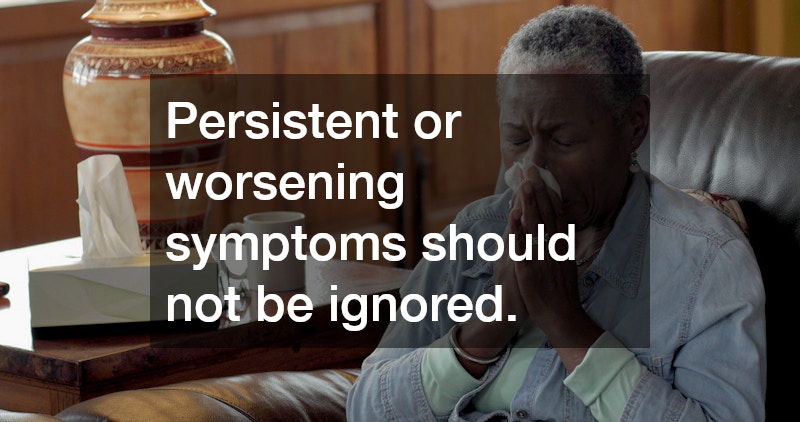
Allergic rhinitis may seem manageable at first, but persistent or worsening symptoms should not be ignored. When over-the-counter medications fail to provide lasting relief, sleep becomes disrupted, sinus infections recur, or vulnerable individuals are affected, it is time to consult a specialist.
Professional evaluation allows for accurate diagnosis, targeted treatment, and prevention of complications. With the right care plan, individuals can experience meaningful symptom relief and regain comfort in their daily lives. Recognizing when to seek expert guidance is the first step toward lasting control and improved respiratory health.
Taking action early can prevent years of unnecessary discomfort and frustration. Rather than continuously managing symptoms on your own, a specialist can create a personalized care plan that addresses both immediate relief and long-term control. With proper diagnosis, environmental guidance, and advanced treatment options, patients can significantly reduce flare-ups and improve their overall quality of life. Proactive care not only eases daily symptoms but also protects long-term respiratory health.